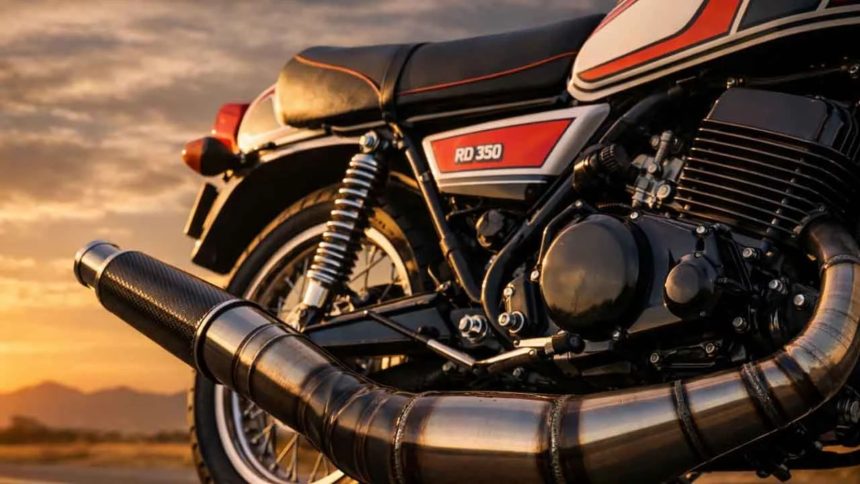
If you’ve ever stood next to a Yamaha RD and felt that deep, sharp growl vibrate through your chest, you already know—this motorcycle is not just a machine. It’s an experience. And at the heart of that experience lies one powerful component: the exhaust system.
For many riders, upgrading the exhaust is one of the first modifications they consider. But why? Is it just about sound? Or is there something more going on beneath the chrome and steel?
In this detailed guide, we’ll explore everything you need to know about the escapamento RD—from performance benefits and design types to installation tips and legal considerations. Whether you’re a longtime enthusiast or just curious about this legendary bike, you’ll walk away with a clear understanding of why this upgrade matters so much.
What Is the RD Motorcycle and Why Is It So Popular?
The RD series by Yamaha Motor Company became famous for one major reason: two-stroke power. Models like the Yamaha RD350 and Yamaha RD250 earned a reputation for being lightweight, quick, and thrilling to ride.
But here’s the thing—these bikes weren’t just about speed. They delivered raw, responsive acceleration that felt alive. The engine’s character was heavily influenced by the exhaust system. In fact, on a two-stroke engine, the exhaust isn’t just an exit pipe. It plays a direct role in how the engine breathes and performs.
That’s why riders pay so much attention to it.
Why the Exhaust System Matters More on Two-Stroke Engines
If you’re used to four-stroke motorcycles, you might think the exhaust simply removes gases from the engine. On two-stroke engines like the RD’s, it does much more.
The exhaust helps control:
- Gas flow timing
- Engine back pressure
- Power delivery range
Think of it like a musical instrument. If you change the shape of a trumpet, the sound changes. Similarly, when you alter the exhaust pipe’s design, the engine’s behavior shifts dramatically.
A well-designed system can boost mid-range torque or improve top-end speed. A poorly chosen one? It might reduce performance instead.
Types of Exhaust Systems Available for RD Motorcycles
When exploring upgrade options, you’ll find several types available. Each has its own personality and purpose.
1. Expansion Chamber Exhaust
This is the most iconic style for two-stroke engines.
An expansion chamber uses a specially shaped chamber to reflect pressure waves back toward the engine. This improves cylinder filling and boosts power at certain RPM ranges.
Best for: Performance-focused riders who want sharper acceleration and stronger top-end power.
2. Standard Replacement Exhaust
These look similar to the original factory pipes but may offer improved materials and flow.
Best for: Riders who want better reliability without drastically changing sound or character.
3. Custom Fabricated Exhaust
Handmade or specially tuned pipes designed for racing or specific riding conditions.
Best for: Enthusiasts who want tailored performance or a unique look.
Performance Gains: What Can You Expect?
Let’s be honest—you’re probably wondering, “Will I actually feel a difference?”
In most cases, yes.
Upgrading the exhaust on an RD can:
- Improve throttle response
- Increase horsepower
- Enhance torque at specific RPM ranges
- Reduce weight
However, results depend on tuning. A new exhaust often requires carburetor adjustments. Without proper tuning, you may lose efficiency instead of gaining it.
It’s like changing running shoes. The right pair makes you faster. The wrong pair slows you down.
The Sound Factor: More Than Just Noise
One of the biggest reasons riders upgrade their exhaust? The sound.
The stock RD has a distinctive two-stroke note—sharp, aggressive, almost like a racing machine from another era. Aftermarket systems can make it:
- Deeper
- Louder
- More aggressive
- Smoother
But here’s something important: louder isn’t always better. Excessive noise can attract unwanted attention and may not be legal in certain areas.
So ask yourself—are you looking for attention, or refinement?
Materials Used in RD Exhaust Systems
Modern exhaust systems come in various materials, each with pros and cons.
Steel
- Affordable
- Durable
- Heavier
Stainless Steel
- Rust-resistant
- Longer lifespan
- Slightly heavier than premium metals
Carbon Fiber
- Lightweight
- Stylish
- Often used in silencers
Material choice affects weight, durability, and even heat management. If you live in a humid climate, corrosion resistance becomes very important.
Installation: DIY or Professional Help?
Can you install it yourself?
If you have basic mechanical knowledge and the right tools, yes. But there are some things to consider:
- Proper sealing
- Alignment
- Carburetor tuning
- Leak checks
Incorrect installation can lead to performance loss or engine damage.
If you’re unsure, professional installation ensures peace of mind. And sometimes, that’s worth the extra cost.
Tuning After Installation: Why It’s Crucial
This is where many riders make mistakes.
When you change the exhaust, airflow changes. That means the air-fuel mixture must be adjusted.
You may need to:
- Change jets
- Adjust needle position
- Fine-tune idle
Skipping this step can cause overheating or poor fuel efficiency.
Think of it like adjusting your glasses prescription. Without the right setting, everything feels slightly off.
Legal and Environmental Considerations
Before upgrading, check local regulations.
Many regions have:
- Noise limits
- Emission standards
- Inspection requirements
Two-stroke engines already face stricter environmental scrutiny. Installing a non-compliant system could lead to fines.
Always confirm whether your chosen exhaust meets local laws.
Maintenance Tips for Longevity
To keep your exhaust system performing well:
- Clean carbon buildup regularly
- Check for cracks or leaks
- Tighten mounting bolts periodically
- Inspect seals
Two-stroke engines produce more residue, so maintenance is especially important.
Neglecting cleaning can reduce performance over time.
Customization and Aesthetic Appeal
Let’s not ignore the visual factor.
A sleek chrome pipe or matte-finished expansion chamber can completely transform your bike’s look.
Motorcycles are personal statements. The right exhaust doesn’t just improve performance—it completes the machine’s identity.
And for many riders, that emotional connection is priceless.
Cost Considerations: Is It Worth the Investment?
Prices vary depending on brand, material, and craftsmanship.
Entry-level systems may be affordable, while high-performance handmade units can be significantly more expensive.
Ask yourself:
- Do I want better performance?
- Do I value sound and aesthetics?
- Am I restoring a classic RD?
If the answer is yes, a quality exhaust upgrade often justifies the investment.
Common Mistakes to Avoid
Before making your purchase, avoid these errors:
- Buying based on sound alone
- Ignoring tuning requirements
- Choosing incompatible parts
- Overlooking legal restrictions
- Installing without proper seals
A little research goes a long way.
Final Thoughts: More Than Just a Pipe
Upgrading your RD’s exhaust isn’t just about noise or speed. It’s about refining the bike’s character.
The right system enhances power delivery, sharpens throttle response, and deepens that unforgettable two-stroke soundtrack. It transforms riding from ordinary to unforgettable.
But remember—performance and responsibility go hand in hand. Choose wisely, tune properly, and maintain regularly.
In the end, the exhaust system is like the voice of your motorcycle. And every rider deserves a voice that matches their passion.
Frequently Asked Questions
1. Does upgrading the RD exhaust increase horsepower?
Yes, in most cases it can increase horsepower, especially when paired with proper carburetor tuning. The exact gain depends on the exhaust design and engine condition.
2. Do I need to retune my carburetor after installing a new exhaust?
Yes, retuning is highly recommended. Changes in airflow require adjustments to maintain the correct air-fuel mixture.
3. Is a louder exhaust always better for performance?
Not necessarily. Sound and performance are related but not identical. Some systems improve power without dramatically increasing noise.
4. Are aftermarket exhaust systems legal?
It depends on local regulations. Always check noise and emission laws in your area before installing a new system.
5. How often should I maintain or clean my RD exhaust?
Regular inspection every few months is advisable, especially for two-stroke engines that produce more carbon buildup.