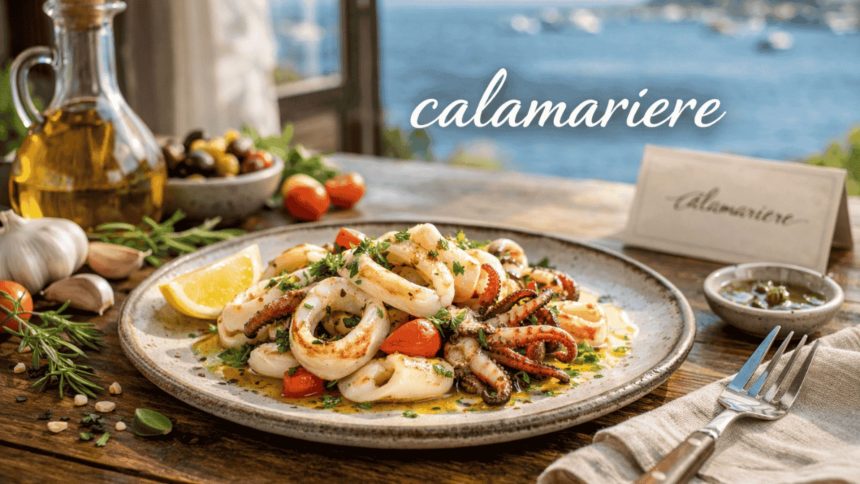
Have you ever come across a word that feels familiar yet slightly mysterious? A word that seems to carry flavor, history, and imagination all at once? That’s exactly the case with calamariere. It’s a term that sparks curiosity. Is it culinary? Is it cultural? Is it artistic? Or could it be a blend of all three?
In this article, we’re going to explore this intriguing word from every possible angle. We’ll look at its roots, its possible connections to cuisine, craftsmanship, lifestyle, and even symbolism. Think of this journey like peeling back the layers of an onion—each layer reveals something richer underneath. By the end, you’ll not only understand the concept more deeply, but you might also see it in a completely new light.
The Origins of Calamariere
Before we understand what something means, it helps to understand where it might come from.
The word sounds European, doesn’t it? It echoes the rhythm of Italian or French vocabulary. It closely resembles “calamari,” the well-known seafood dish. But that extra twist at the end gives it a more refined, perhaps even artisanal feel.
Language evolves in fascinating ways. Words often shift across cultures, gaining new meanings along the way. Sometimes they begin as something practical—like a food item—and transform into something symbolic or artistic. It’s possible that this term followed a similar path.
Could it have started in the kitchen and moved into culture? Or the other way around? These are the questions that make it so interesting.
Calamariere and Culinary Connections
A Link to Seafood Traditions
When we hear a word that resembles calamari, it’s hard not to think about Mediterranean cuisine. Fried squid rings, lemon wedges, seaside restaurants—those images come naturally.
If the term is connected to food, it could represent more than just a dish. It might symbolize a way of preparing seafood, a culinary style, or even a regional tradition centered around ocean harvest.
Seafood has long been tied to identity in coastal communities. In places like Italy and Spain, meals are not just about eating—they’re about gathering, sharing, and celebrating heritage.
So perhaps this word captures the essence of that experience: craftsmanship in the kitchen, freshness from the sea, and the warmth of communal dining.
More Than Just a Dish
Food terms often expand into broader meanings. Think about how “barbecue” can refer to cooking, a social event, or even a flavor profile.
In the same way, this term might represent a culinary philosophy—simple ingredients treated with care. Fresh herbs. Olive oil. A squeeze of citrus. Nothing overcomplicated, yet deeply satisfying.
It becomes a metaphor for balance and authenticity.
Craftsmanship and Artistry
What if the word isn’t just about food? What if it reflects a deeper appreciation for craft?
The Art of Making
In many European traditions, the suffix in the word can suggest a profession or specialized skill. That opens up another possibility—it could describe someone who works with seafood in a skilled, artistic way. Not just a cook, but a creator.
Imagine a chef who treats every plate like a canvas. Each ring of squid is placed carefully, sauces drizzled like brush strokes. That’s not just cooking; that’s artistry.
Art and cuisine are closer than we think. Both require creativity, technique, and passion.
A Symbol of Dedication
Craftsmanship isn’t about speed. It’s about care. Whether it’s preparing seafood, designing tableware, or running a restaurant, attention to detail matters.
If the word reflects that spirit, then it stands for something admirable: patience, pride, and quality over shortcuts.
In today’s fast-paced world, that’s refreshing, isn’t it?
Cultural Significance
Words don’t exist in isolation. They carry culture within them.
Mediterranean Lifestyle Influence
Coastal regions around the Mediterranean have long celebrated the sea as a source of life. Fishing boats return at sunrise. Markets open early with fresh catches. Families gather for long meals that stretch into the afternoon.
In countries like Greece, seafood traditions are deeply woven into daily life. A term associated with squid or ocean fare might symbolize that connection to nature and rhythm.
It’s about more than taste—it’s about belonging.
Community and Sharing
Meals by the sea often bring people together. Plates are passed around. Stories are shared. Laughter fills the air.
If this term has roots in such settings, then it represents community. It’s not just an object or idea—it’s an experience.
And honestly, who doesn’t crave more shared moments in today’s digital age?
Calamariere in Modern Dining Trends
Food culture constantly evolves.
From Traditional to Trendy
In recent years, seafood has become more creative. Chefs experiment with fusion flavors, plant-based alternatives, and sustainable sourcing.
Restaurants inspired by Mediterranean traditions have grown popular in cities worldwide, including food hubs like New York City and London.
A term rooted in seafood heritage could easily adapt to these modern settings. It might describe a contemporary restaurant concept or a stylish approach to serving ocean-based cuisine.
Sustainability and Responsibility
Today, diners care about where their food comes from. Sustainable fishing practices matter. Ethical sourcing matters.
If the concept relates to seafood, it naturally connects to environmental awareness. It could symbolize responsible harvesting and respect for marine ecosystems.
That’s a powerful meaning—honoring the ocean while enjoying its gifts.
Symbolism and Metaphor
Let’s step back for a moment.
Sometimes a word becomes symbolic, even if it started with something concrete.
The Ocean as a Metaphor
The sea is unpredictable yet beautiful. It can be calm or stormy. It gives generously but demands respect.
If this term draws from ocean imagery, it might symbolize adaptability and depth. Just like waves, life moves in cycles. We rise, we fall, and we rise again.
It’s a reminder to stay flexible and resilient.
Transformation
Think about squid for a second. It can change color. It adapts quickly to its environment. That adaptability can serve as a metaphor for human growth.
Perhaps the term carries that hidden message: evolve, adjust, thrive.
Calamariere as a Lifestyle Concept
Beyond food and symbolism, could it represent a way of living?
Slow Living and Mindfulness
Mediterranean culture often embraces slower rhythms. Meals are enjoyed without rushing. Conversations are valued.
If the word reflects this atmosphere, it stands for mindfulness—being present in the moment.
Imagine savoring a simple seafood dish by the water. No phone in hand. Just taste, conversation, and breeze. That feeling might be at the heart of the concept.
Quality Over Quantity
Whether it’s food, relationships, or work, quality matters more than excess.
The idea could encourage choosing fresh ingredients over processed ones, meaningful conversations over endless scrolling, and craftsmanship over convenience.
That’s a lifestyle many of us aspire to.
Artistic Interpretations
Creative minds often borrow from culinary language.
In Literature and Media
Writers sometimes use food imagery to evoke mood or setting. A seaside dish can instantly transport readers to a coastal village.
It wouldn’t be surprising if a unique word like this appeared in novels or creative projects to suggest elegance, heritage, or exotic charm.
Even filmmakers inspired by Italian cinema legends like Federico Fellini have used food and seaside imagery to evoke nostalgia and romance.
In Design and Branding
Brands often adopt words that sound refined and memorable. A name like this feels sophisticated yet warm. It could fit a boutique restaurant, a specialty food line, or even a culinary blog.
Names shape perception. A single word can suggest authenticity, luxury, or tradition.
The Emotional Connection
Why do certain words resonate with us?
Because they trigger emotion.
Taste and Memory
Food is deeply tied to memory. The smell of fried seafood might remind someone of a vacation, a family gathering, or a first date.
If the term connects to such sensory experiences, it taps into nostalgia. And nostalgia is powerful.
Identity and Pride
For coastal communities, seafood isn’t just food—it’s identity. Generations pass down recipes. Fishing techniques are taught from parent to child.
A word associated with that world carries pride and heritage.
Global Influence and Adaptation
In a connected world, ideas travel quickly.
From Coastlines to Cosmopolitan Cities
What begins in a small fishing village can end up on menus across continents.
Dishes inspired by Mediterranean traditions now appear worldwide. Culinary schools teach classic techniques alongside modern innovation.
If this term embodies that tradition, it demonstrates how culture evolves without losing its roots.
Fusion and Innovation
Modern chefs blend flavors from different cultures. Imagine squid prepared with Asian spices or Latin American marinades.
That blend of old and new keeps traditions alive while allowing creativity to flourish.
Why Calamariere Still Matters Today
So why should we care about a single, intriguing word?
Because it represents more than letters on a page.
It symbolizes heritage, craftsmanship, community, and creativity. It reminds us that even something as simple as seafood can tell a story about culture, environment, and identity.
In a world obsessed with speed and convenience, ideas rooted in tradition and care feel grounding.
Think of it like an anchor dropped into the sea of modern chaos. It steadies us. It reminds us where we come from.
Conclusion
At first glance, calamariere may seem like just another unfamiliar term. But as we’ve explored, it can represent a rich blend of culinary heritage, artistic expression, cultural pride, and mindful living. Whether tied to Mediterranean seafood traditions, craftsmanship in the kitchen, or broader lifestyle symbolism, the concept invites us to slow down and appreciate authenticity.
In many ways, it reflects the beauty of simple things done well—fresh ingredients, shared meals, and meaningful traditions. And perhaps that’s the greatest lesson hidden within it: depth often lies beneath the surface, just like treasures in the sea.
FAQs
1. What does calamariere mean?
It appears to be a term connected to seafood traditions, possibly inspired by Mediterranean cuisine and craftsmanship, symbolizing quality and cultural heritage.
2. Is calamariere related to calamari?
Yes, the similarity in sound suggests a link to squid dishes and coastal culinary practices, though it may carry broader symbolic meaning.
3. Does calamariere represent a profession or lifestyle?
It could represent either. The structure of the word suggests craftsmanship, and it may also symbolize mindful living and culinary artistry.
4. Is calamariere connected to a specific country?
It likely draws inspiration from Mediterranean countries such as Italy, Greece, or Spain, where seafood traditions are strong.
5. Why is calamariere culturally significant?
Because it reflects deeper themes of heritage, community, sustainability, and the emotional connection people have with food and shared experiences.
Is this conversation helpful so far?