


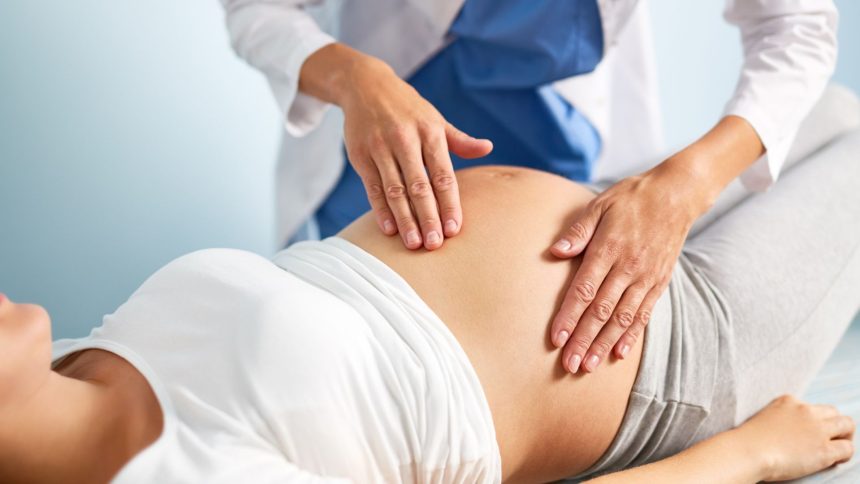
Pregnancy and childbirth are among the most life-changing experiences a person can go through. Behind every safe delivery and healthy newborn is a field of medicine dedicated entirely to caring for mothers and babies. That field is known as obstetrika, often referred to in English as obstetrics.
But what exactly does this medical discipline involve? Is it only about delivering babies, or is there more happening behind the scenes?
In simple terms, obstetrika focuses on the health of pregnant individuals, the development of the fetus, and the process of childbirth and recovery after delivery. From the first positive pregnancy test to the weeks after a baby is born, professionals in this field provide guidance, monitoring, and medical support.
Think of obstetrika like a careful navigator guiding a ship through a long journey. Pregnancy is the voyage, the mother and baby are the passengers, and the obstetric team ensures the journey remains as safe and smooth as possible.
In this comprehensive guide, we’ll explore what obstetrika is, how it works, why it matters, and what expectant parents should know.
Understanding Obstetrika
Obstetrika is a branch of medicine dedicated to pregnancy, childbirth, and postpartum care. The specialists who practice it are called obstetricians.
While many people associate this field only with labor and delivery, its scope is much broader. Obstetrika covers:
- Pregnancy monitoring
- Fetal development
- Managing complications
- Labor and delivery care
- Postnatal recovery
In short, it ensures the well-being of both mother and baby throughout the entire pregnancy journey.
Obstetricians work closely with other healthcare professionals such as midwives, nurses, pediatricians, and sometimes surgeons. Together, they form a team that supports families during one of life’s most important milestones.
The Role of an Obstetrician
Medical Guidance Throughout Pregnancy
An obstetrician is responsible for monitoring the health of the pregnant person and the baby.
This includes:
- Conducting routine checkups
- Monitoring fetal growth
- Ordering medical tests
- Addressing health concerns
Regular visits help detect any potential issues early. For example, conditions like high blood pressure or gestational diabetes can be managed if identified in time.
Providing Emotional and Educational Support
Pregnancy is not only physical—it’s emotional too.
Obstetricians often guide parents through questions such as:
- What foods are safe during pregnancy?
- What symptoms are normal?
- How should one prepare for childbirth?
Their role goes beyond medicine. They help parents feel informed, confident, and prepared.
Prenatal Care: The Foundation of Healthy Pregnancy
Regular Checkups and Monitoring
Prenatal care refers to medical support provided before birth.
These visits usually include:
- Blood pressure checks
- Weight monitoring
- Urine tests
- Ultrasound imaging
Each appointment tracks how the pregnancy is progressing.
Think of prenatal care like routine maintenance for a car before a long road trip. Regular checks help prevent unexpected problems later.
Nutritional and Lifestyle Advice
During prenatal visits, healthcare providers discuss:
- Balanced diet
- Exercise recommendations
- Vitamin supplements
- Lifestyle adjustments
Proper nutrition, especially folic acid and iron intake, plays a key role in healthy fetal development.
Monitoring Fetal Development
Ultrasound Technology
One of the most exciting moments during pregnancy is seeing the baby through ultrasound imaging.
Ultrasounds help doctors:
- Measure fetal growth
- Check organ development
- Monitor heartbeat
- Identify possible abnormalities
For many parents, this is the first time they truly connect with their unborn child.
Screening and Diagnostic Tests
Some pregnancies require additional testing, such as:
- Genetic screening
- Blood tests
- Amniotic fluid analysis
These tests provide information about the baby’s health and help doctors prepare for any special care needed after birth.
Managing Pregnancy Complications
Not every pregnancy progresses exactly the same way. Obstetrika plays a critical role in managing complications safely.
Common Pregnancy Conditions
Some conditions monitored in obstetrics include:
- Gestational diabetes
- Preeclampsia
- Placental problems
- Premature labor
Early detection allows doctors to adjust treatment plans and protect both mother and baby.
High-Risk Pregnancy Care
Certain pregnancies are considered high-risk due to factors such as:
- Age
- Preexisting medical conditions
- Multiple pregnancies (twins or triplets)
Specialists provide additional monitoring and care in these cases.
The Stages of Labor and Childbirth
Childbirth is usually divided into three stages.
First Stage: Early and Active Labor
This stage involves cervical dilation and contractions.
It may last several hours and includes:
- Increasing contraction intensity
- Cervix opening to prepare for delivery
During this time, medical staff monitor both the mother’s comfort and the baby’s heart rate.
Second Stage: Delivery of the Baby
Once the cervix is fully dilated, the pushing stage begins.
With each contraction, the baby moves through the birth canal until birth occurs.
For many families, this moment is unforgettable—the culmination of months of anticipation.
Third Stage: Delivery of the Placenta
After the baby is born, the placenta is delivered. This stage usually takes only a few minutes.
Doctors ensure there is no excessive bleeding and that the uterus begins recovery.
Natural Birth vs. Cesarean Delivery
Vaginal Birth
A vaginal delivery is the most common and natural form of childbirth.
Benefits may include:
- Shorter recovery time
- Lower surgical risk
- Immediate bonding with the baby
However, every pregnancy is different, and safety always comes first.
Cesarean Section
A cesarean section (C-section) is a surgical procedure used when vaginal birth may pose risks.
Reasons for C-section include:
- Fetal distress
- Breech position
- Placental complications
- Prolonged labor
Though it involves surgery, it can be life-saving when complications arise.
Pain Management During Labor
Labor pain varies from person to person. Obstetrika provides several options for managing discomfort.
Medical Pain Relief
Common methods include:
- Epidural anesthesia
- Spinal anesthesia
- Pain-relief medications
These options help reduce pain while allowing the mother to remain alert during delivery.
Natural Pain Relief Techniques
Some individuals prefer non-medical approaches such as:
- Breathing exercises
- Warm baths
- Massage
- Movement and positioning
Often, a combination of techniques works best.
Postpartum Care: Recovery After Birth
Physical Recovery
The weeks following childbirth are known as the postpartum period.
During this time, healthcare providers monitor:
- Healing after delivery
- Hormonal changes
- Breastfeeding progress
- Signs of infection
Rest and proper care are essential for recovery.
Emotional Well-Being
Postpartum emotions can vary widely.
Some parents experience:
- Mood swings
- Fatigue
- Anxiety
In certain cases, postpartum depression may occur and requires medical support.
Open conversations with healthcare providers help ensure emotional health during this transition.
The Importance of Maternal Health
Healthy mothers are essential for healthy babies.
Obstetrika focuses strongly on preventing complications that could affect either life.
Key areas include:
- Safe pregnancy monitoring
- Access to skilled healthcare providers
- Emergency medical care when needed
Globally, improving maternal healthcare systems has significantly reduced childbirth-related risks.
Technology and Modern Advances in Obstetrika
Medical technology has transformed obstetric care in recent decades.
Advanced Imaging
Modern imaging tools allow doctors to observe fetal development in remarkable detail.
These technologies help detect issues early and plan appropriate treatment.
Digital Monitoring
Electronic fetal monitoring systems track the baby’s heartbeat and contractions during labor.
This provides real-time information that helps doctors respond quickly if problems arise.
As technology continues to evolve, maternal and newborn safety keeps improving.
Preparing for Pregnancy and Birth
Preparation can make pregnancy less stressful and more enjoyable.
Education and Birth Planning
Many parents attend childbirth education classes to learn about:
- Labor stages
- Breathing techniques
- Infant care
- Breastfeeding
Having a birth plan also helps communicate preferences to healthcare providers.
Building a Support System
Family members, partners, and healthcare professionals all play important roles.
Emotional support can make the journey smoother and more positive.
After all, welcoming a child into the world is not just a medical event—it’s a family milestone.
Conclusion
Obstetrika plays a vital role in protecting the health of mothers and babies during pregnancy and childbirth. From prenatal care and fetal monitoring to labor management and postpartum recovery, this medical field ensures that one of life’s most significant experiences is as safe as possible.
While childbirth is a natural process, expert medical guidance can make a remarkable difference when challenges arise. Obstetricians and their teams act as trusted companions on the pregnancy journey—monitoring progress, addressing concerns, and celebrating the moment a new life enters the world.
Understanding obstetrika empowers families to make informed decisions, ask the right questions, and approach pregnancy with confidence and knowledge.
FAQs
1. What does obstetrika mean?
Obstetrika refers to the medical field focused on pregnancy, childbirth, and care after delivery. Specialists in this field monitor the health of both mother and baby throughout the pregnancy journey.
2. How often should prenatal visits occur during pregnancy?
Typically, prenatal visits occur once a month during early pregnancy, every two weeks in the second trimester, and weekly during the final weeks. However, schedules may vary depending on individual health needs.
3. What is the difference between obstetrics and gynecology?
Obstetrics focuses on pregnancy and childbirth, while gynecology deals with the overall health of the female reproductive system outside of pregnancy.
4. When is a cesarean section necessary?
A cesarean section may be recommended when complications make vaginal delivery unsafe, such as fetal distress, breech positioning, or certain maternal health conditions.
5. How long does postpartum recovery usually take?
Initial recovery often takes about six weeks, though the full healing process can take longer depending on the type of delivery and individual health factors.
Do you like this personality?

