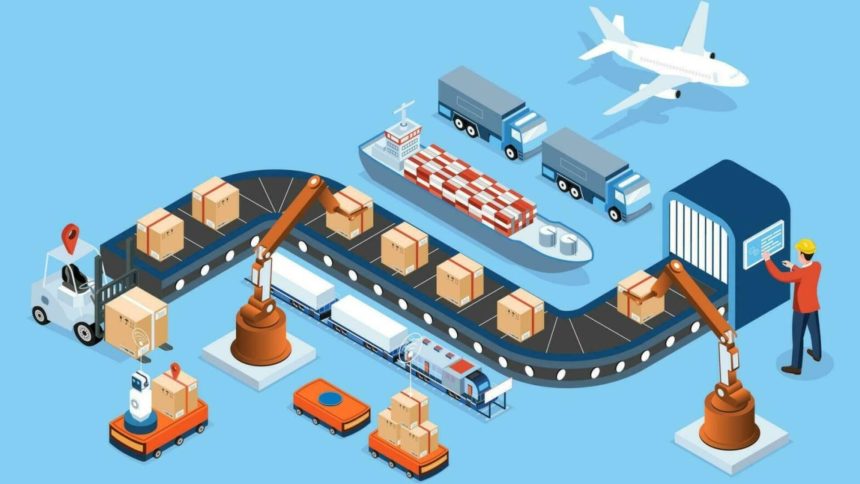
Have you ever wondered how your online order arrives at your doorstep within days—or sometimes even hours? Or how supermarkets never seem to run out of essential products despite millions of people shopping daily? Behind the scenes, there’s a complex system coordinating movement, storage, planning, and delivery. This system is often referred to as logisths, a broad concept closely connected with the movement and management of goods, information, and resources.
Think of it like the circulatory system of the global economy. Just as blood moves through veins to keep the body alive, supply networks move products, materials, and information to keep businesses and societies functioning. Without it, modern life would look very different—empty store shelves, delayed deliveries, and chaotic production schedules.
In this article, we’ll explore what logisths really means, how it works, why it matters, and how it shapes the world around us. By the end, you’ll see how this often-invisible system influences everything from your morning coffee to global trade.
What Is Logisths?
At its core, logisths refers to the planning, coordination, and movement of goods, services, and information from one place to another. It involves managing how products travel from the point of origin to the final destination.
This process includes several key activities:
- Transportation of goods
- Storage and warehousing
- Inventory management
- Packaging and distribution
- Delivery to customers
But it’s not just about moving boxes from Point A to Point B. It’s about doing it efficiently, cost-effectively, and at the right time.
Imagine organizing a huge concert. Instruments must arrive before the performance, food vendors must receive supplies, and thousands of people must enter safely. That level of coordination is similar to what happens daily within global supply networks.
The History and Evolution of Logisths
Although the term may sound modern, the concept has existed for centuries.
Early Trade and Transportation
Long before airplanes and cargo ships, merchants relied on caravans, horses, and boats to move goods. Ancient civilizations used organized systems to transport food, building materials, and weapons.
For example:
- Farmers transported grain to marketplaces.
- Traders carried spices across continents.
- Empires organized supply routes for armies.
Even then, planning routes and managing supplies were essential tasks.
Industrial Revolution and Expansion
The Industrial Revolution changed everything. Factories produced goods at a scale never seen before. Suddenly, businesses needed efficient ways to transport raw materials to factories and finished products to markets.
Railroads, steamships, and later trucks revolutionized transportation, creating the foundation of modern supply networks.
The Digital Age
Today, technology plays a huge role. Advanced tracking systems, automation, and data analysis help companies manage complex operations across multiple continents.
A package can now be tracked in real time as it moves through warehouses, trucks, and airplanes before reaching your home.
Why Logisths Matters in Everyday Life
Most people rarely think about supply systems—until something goes wrong.
Imagine walking into a grocery store and finding empty shelves. Or ordering medicine online and waiting weeks for delivery. These situations highlight how important efficient coordination really is.
Logisths matters because it:
- Keeps products available when people need them
- Reduces costs for businesses and consumers
- Supports international trade
- Helps companies compete in global markets
Without effective planning and coordination, modern economies would slow down dramatically.
Key Components of Logisths
A successful system depends on several interconnected elements working together smoothly.
Transportation
Transportation is the backbone of any supply network. It involves moving goods through different methods such as trucks, ships, airplanes, and trains.
Each method has its advantages:
- Air transport is fast but expensive
- Sea freight is cheaper but slower
- Trucking offers flexibility for local deliveries
- Rail is efficient for large quantities
Companies often combine these methods to create efficient delivery routes.
Warehousing
Warehouses act like temporary homes for products before they reach stores or customers.
Modern storage facilities are highly organized and often automated. Robots, barcode scanners, and digital systems help manage inventory quickly and accurately.
Inventory Management
Keeping the right amount of stock is crucial. Too much inventory wastes space and money, while too little can lead to shortages.
Businesses constantly monitor supply levels to ensure they meet demand without overstocking.
The Role of Technology in Modern Logisths
Technology has completely transformed how goods move around the world.
Digital Tracking Systems
Today, most shipments include tracking numbers. These systems allow companies and customers to see where products are at any moment.
Sensors and tracking devices provide real-time updates, improving transparency and reliability.
Automation and Robotics
Many warehouses now use robots to pick items, organize shelves, and prepare orders for shipping.
Automation speeds up operations while reducing errors.
Data and Predictive Planning
Companies analyze huge amounts of data to predict demand. By studying past trends, weather patterns, and seasonal buying habits, they can plan shipments more accurately.
For example, retailers often increase stock before major holidays to meet higher demand.
Global Trade and the Importance of Logisths
International trade depends heavily on efficient movement of goods.
A product sold in one country may include components from several others. For example, a smartphone might involve:
- Raw materials from Africa
- Manufacturing in Asia
- Design in North America
- Distribution across Europe
Coordinating these complex journeys requires careful planning.
Ports, shipping routes, and cargo hubs all play critical roles in connecting global markets.
Challenges Facing Logisths Today
Despite technological advances, supply networks face several challenges.
Rising Transportation Costs
Fuel prices, infrastructure maintenance, and labor costs can significantly affect shipping expenses.
Companies constantly search for ways to reduce costs without sacrificing speed or reliability.
Supply Chain Disruptions
Unexpected events can disrupt operations. Natural disasters, political issues, and global crises may delay shipments or limit production.
When disruptions occur, businesses must quickly adapt to keep products flowing.
Environmental Concerns
Transportation contributes to carbon emissions. As environmental awareness grows, companies are looking for greener solutions such as electric vehicles and more efficient routes.
The Role of People in Logisths
Even with automation and technology, human expertise remains essential.
Professionals working in this field handle tasks like:
- Route planning
- Inventory control
- Supplier coordination
- Risk management
These experts ensure operations run smoothly and respond quickly when problems arise.
It’s a career path that combines analytical thinking, problem-solving, and strategic planning.
How E-Commerce Has Transformed Logisths
Online shopping has dramatically changed consumer expectations.
Customers now expect:
- Faster deliveries
- Real-time tracking
- Easy returns
To meet these expectations, companies have redesigned their distribution systems.
Many businesses operate large fulfillment centers located near major cities to reduce delivery times.
Same-day and next-day shipping have become common in many regions.
Sustainability and the Future of Logisths
As global trade continues to expand, sustainability is becoming a major focus.
Green Transportation
Electric delivery vehicles and alternative fuels are gaining popularity.
These solutions help reduce pollution while maintaining efficient delivery services.
Smarter Route Planning
Advanced software can calculate the most efficient routes, reducing fuel consumption and travel time.
Eco-Friendly Packaging
Businesses are also reducing waste by using recyclable materials and minimizing unnecessary packaging.
These changes reflect a growing commitment to protecting the environment.
The Future of Logisths in a Digital World
Looking ahead, several emerging technologies could reshape supply networks even further.
Artificial Intelligence
AI systems can analyze complex data and make decisions faster than humans in certain scenarios.
This technology could optimize routes, predict delays, and improve inventory planning.
Autonomous Vehicles
Self-driving trucks and delivery robots are already being tested in some regions.
These innovations could reduce costs and improve delivery speed.
Drone Deliveries
In some areas, drones may soon deliver small packages directly to homes, particularly in remote locations.
Although still developing, these technologies show how quickly the field continues to evolve.
Conclusion
Logisths may not always be visible, but it plays a vital role in modern life. From grocery stores and hospitals to online shopping and international trade, efficient coordination ensures that goods reach the right place at the right time.
Think of it as a giant, invisible network connecting farms, factories, warehouses, and homes across the world. Every package delivered and every product stocked on a shelf represents countless decisions, movements, and coordinated efforts happening behind the scenes.
As technology advances and global trade continues to grow, the importance of smart, sustainable supply systems will only increase. By improving efficiency, reducing environmental impact, and embracing innovation, the future of logisths promises to keep the world moving more smoothly than ever before.
Frequently Asked Questions
1. What does the term logisths mean?
Logisths refers to the planning, management, and movement of goods, services, and information from one location to another to ensure efficient delivery and distribution.
2. Why is logisths important in everyday life?
It ensures that products such as food, medicine, and consumer goods are available when and where people need them, supporting businesses and global trade.
3. How does technology improve logisths?
Technology improves efficiency through digital tracking, automated warehouses, predictive analytics, and optimized transportation routes.
4. What challenges does logisths face today?
Common challenges include rising transportation costs, supply chain disruptions, and environmental concerns related to transportation emissions.
5. What is the future of logisths?
The future may include artificial intelligence, autonomous vehicles, drone deliveries, and more sustainable transportation methods to make global supply networks faster and more environmentally friendly.