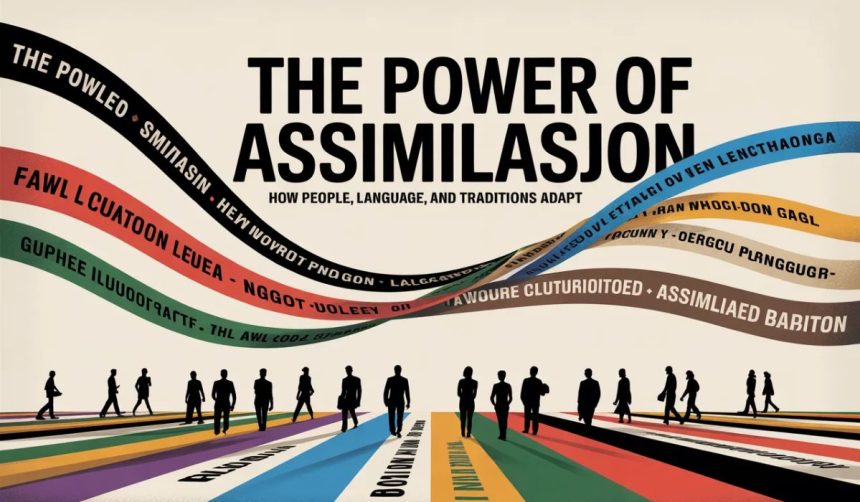
What do you mean by assimilation?
Assimilation is the process through which individuals or groups adopt the culture, habits, language, or behaviors of another group, often blending into a new environment while sometimes losing aspects of their original identity. It can happen in many contexts, such as when people move to a new country, join a different community, or adapt to a workplace culture. The goal of assimilation is often to fit in or be accepted, but it can also involve a gradual exchange of ideas, traditions, and ways of life, creating a mix that reflects both the old and the new. In simple terms, it’s about learning to adapt while finding your place in a broader social or cultural setting.
What is an example of assimilation?
Assimilation happens when one culture or group gradually adopts the customs, language, or behaviors of another, often blending in so seamlessly that the original differences become less noticeable. A clear example is seen in immigration, where newcomers to a country learn the local language, follow social norms, and adapt to daily routines while still retaining some of their original traditions. For instance, a family moving to a new country might start celebrating local holidays, speak the dominant language at work or school, and dress according to local fashion trends, showing how assimilation works in everyday life.
What is an example of assimilation and accommodation?
Assimilation and accommodation are ways our minds adapt to new information, but they work a little differently. Assimilation happens when we fit new experiences into what we already know. For example, a child who knows about dogs might see a wolf and call it a dog because it looks similar. Accommodation, on the other hand, happens when we adjust our thinking to handle new information. Using the same example, the child later learns that wolves are different from dogs and changes their understanding to include this new category. Together, these processes show how we constantly learn by either blending new experiences with old knowledge or reshaping our mental frameworks.
What is assimilation in history?
Assimilation in history refers to the process by which one cultural or social group gradually adopts the customs, beliefs, and practices of another, often dominant, group. This can happen through migration, colonization, trade, or political influence, where minority groups may begin to adopt the language, religion, or lifestyle of the ruling or majority population. Historically, assimilation has played a significant role in shaping nations, sometimes creating a sense of unity, but it has also led to the loss of unique cultural identities and traditions. From the Roman Empire absorbing conquered peoples to modern examples of immigrant communities adapting to new countries, assimilation highlights the complex ways societies influence and transform one another over time.