Introduction
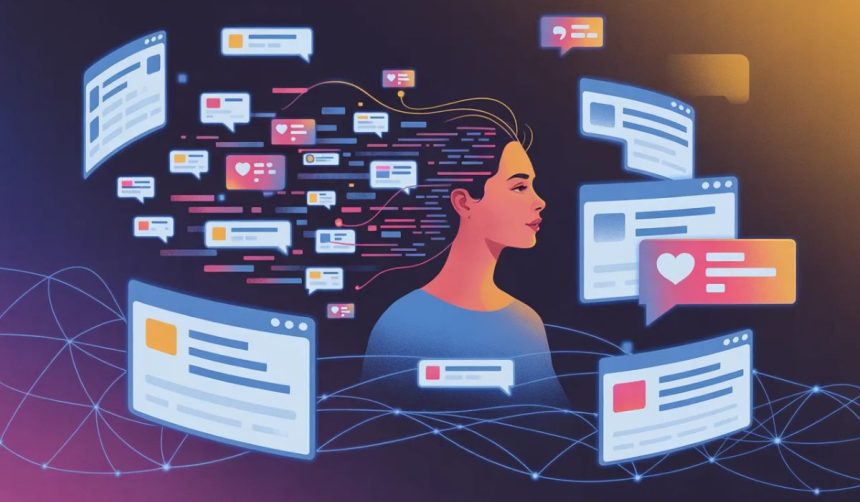
The internet has changed the way people present themselves to the world. Today, anyone with a smartphone and an idea can create an identity that reaches thousands—or even millions—of people. One name that has caught attention in online spaces is babydollkaila. For some, it’s a username they’ve seen scrolling through social platforms. For others, it represents a broader trend of digital self-expression.
So what makes an online persona like babydollkaila stand out? And why do such identities spark curiosity among everyday internet users? This article takes a closer look at the cultural, social, and emotional layers behind modern online personas, using babydollkaila as a lens to understand the bigger picture.
The Evolution of Online Identity
From Anonymous Profiles to Personal Brands
In the early days of the internet, people hid behind anonymous usernames. Today, online identities are often carefully curated and deeply personal. Social platforms encourage individuals to build recognizable profiles that reflect personality, style, and values.
Babydollkaila fits into this shift. The name itself suggests a crafted identity rather than randomness. It shows how people now treat their online presence like a digital storefront—designed to attract, express, and connect.
The Power Behind a Username
Why a Name Can Shape Perception
A username is often the first thing people notice. It sets expectations before a single photo or post is viewed. Names that feel soft, playful, or emotional tend to invite curiosity and connection.
In many ways, a username works like a book title. If it feels intriguing, people want to know the story behind it. That curiosity is often what drives clicks, follows, and conversations.
Visual Expression in the Digital World
Images Speak Louder Than Words
Online platforms are highly visual. Photos, colors, and overall style communicate mood instantly. A consistent aesthetic helps an identity feel familiar and recognizable.
Many digital personas rely on visual storytelling—using outfits, expressions, and settings to communicate who they are. It’s similar to how a movie uses lighting and costume design to shape how viewers feel about a character.
Personality as a Connection Tool
Why Relatability Matters
People don’t just follow accounts; they follow feelings. When an online persona shares thoughts, humor, or everyday moments, it creates a sense of closeness.
This relatability turns passive viewers into active supporters. It’s like chatting with a familiar face rather than watching a stranger. That emotional bond is one of the strongest drivers of online engagement.
Community and Audience Interaction
Creating a Sense of Belonging
Successful online identities don’t exist in isolation. They grow through interaction—comments, replies, and shared experiences.
Over time, these interactions form communities. Followers begin to recognize each other, conversations repeat, and a shared culture develops. The persona becomes the center of a small digital neighborhood.
The Role of Consistency
Showing Up Builds Trust
Consistency is one of the most overlooked aspects of online growth. Posting regularly, maintaining a recognizable tone, and staying visually aligned helps build familiarity.
Think of it like a favorite café. You return not just for the coffee, but because you know what to expect. Online personas that offer consistency create the same comfort.
Monetization and Digital Opportunities
When Online Presence Becomes Work
Many digital identities eventually cross into income generation. This might include brand collaborations, exclusive content, or fan-supported platforms.
This transition reflects a larger shift in how people work today. Online visibility can become a livelihood, blending creativity with entrepreneurship. However, it also brings pressure to perform and maintain relevance.
Public Attention and Criticism
The Double-Edged Sword of Visibility
With attention comes opinion. Online personas are often judged by people who know very little about them. Misunderstandings, assumptions, and criticism are common.
This constant scrutiny can be emotionally draining. It highlights the reality that digital fame, while appealing, comes with real human consequences.
Privacy in a Transparent World
Deciding What to Share
One of the hardest challenges for online personalities is setting boundaries. Sharing too much can feel invasive, while sharing too little can reduce engagement.
Striking balance is essential. Many creators carefully choose what parts of their lives remain private to protect their mental and emotional well-being.
The Influence of Algorithms
How Visibility Is Shaped
Behind every popular post is an algorithm deciding who sees it. Timing, engagement, and trends all affect reach.
Online growth is not purely talent-based. It’s a mix of effort, strategy, and chance—much like planting seeds and hoping for the right weather.
Cultural Reflection and Online Trends
Why Personas Mirror Society
Digital identities often reflect larger cultural themes such as beauty standards, independence, and self-expression. They don’t just entertain; they reveal what people value at a given moment.
Babydollkaila, as a name and presence, fits into a culture that values individuality and emotional visibility.
Mental Health and Digital Life
The Human Side of Online Presence
Behind every screen is a real person. Constant engagement, comparison, and performance can lead to burnout.
More creators are now speaking openly about mental health, reminding audiences that online life is curated—not complete reality.
What Babydollkaila Represents
Rather than focusing on a single individual, babydollkaila represents a modern digital phenomenon. It symbolizes how identity, creativity, and attention intersect in today’s online world.
Like a mirror, it reflects both the freedom and the pressure of being visible in a connected society.
Conclusion
The story surrounding babydollkaila is ultimately about modern self-expression. It highlights how people build identities, connect with others, and navigate visibility in the digital age.
As the internet continues to evolve, so will the ways we present ourselves within it. The question is not just who we follow—but how we choose to be seen.
Frequently Asked Questions
What does babydollkaila represent online?
It represents a modern digital persona shaped by self-expression, aesthetics, and audience interaction.
Why do online personas attract large audiences?
Consistency, relatability, and emotional connection play major roles in audience growth.
Is an online persona always the same as real life?
Not entirely. Most online identities are curated versions of reality.
How do creators manage privacy?
By setting boundaries and choosing what parts of life remain offline.
What can we learn from digital personas today?
They help us understand internet culture, identity building, and modern communication.