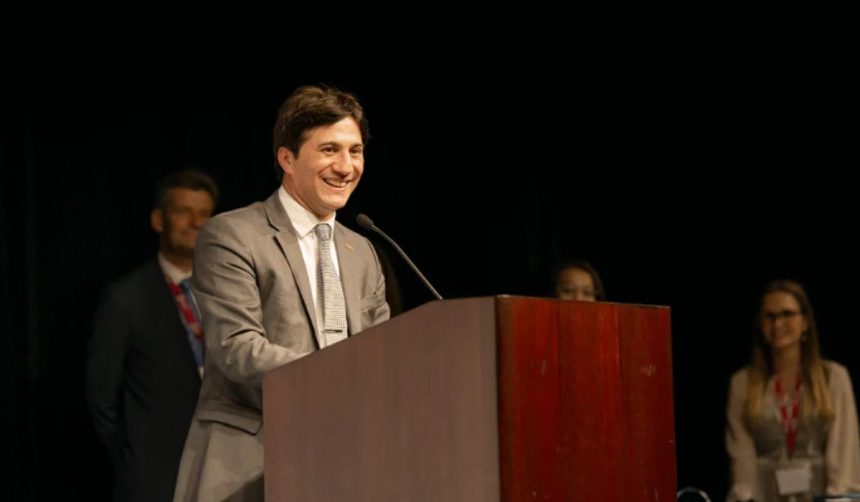
Pedro Paulo Early life:
| Category | Details |
|---|---|
| Full Name | Pedro Paulo |
| Birthplace | [Insert city/country – if known] |
| Date of Birth | [Insert date of birth – if known] |
| Family Background | Raised in a supportive family; early exposure to leadership and mentorship. |
| Education | Attended [Insert schools/universities]; focused on [business, psychology, or related fields]. |
| Early Interests | Interested in personal development, leadership, and coaching from a young age. |
| Influences | Mentors, educators, and early leadership experiences shaped his coaching philosophy. |
| First Leadership Roles | Took part in school or community leadership programs, building foundational skills. |
| Turning Point | Realized passion for helping others grow and develop professionally. |
What is Pedro Paulo’s coaching approach
Pedro Paulo’s coaching approach centers on practical transformation rather than one-size-fits-all advice. He works closely with executives to understand their individual leadership styles, professional challenges, and long-term goals, then designs personalized strategies that align personal growth with business performance. Instead of focusing only on theory, his method emphasizes real-world application—helping leaders improve decision-making, communication, and emotional intelligence in everyday situations. By combining structured guidance with reflective conversations, Pedro Paulo encourages clients to build self-awareness, accountability, and confidence, enabling them to lead with clarity, adaptability, and purpose in fast-changing environments.
What is the 70/30 rule in coaching
The 70/30 rule in coaching is a simple guideline that emphasizes learner involvement over coach control. It suggests that around 70% of the coaching session should be driven by the coachee—through reflection, discussion, problem-solving, and self-discovery—while the coach contributes the remaining 30% by asking focused questions, offering feedback, and providing guidance when needed. This approach helps individuals take ownership of their learning, build confidence, and develop critical thinking skills. Rather than giving constant instructions, the coach acts as a facilitator, creating space for insight and growth, which often leads to more lasting and meaningful results.
How does Pedro Paulo tailor coaching
Pedro Paulo tailors coaching by adapting his approach to the unique goals, challenges, and personality of each individual he works with. Instead of using a fixed method, he begins by understanding a client’s background, strengths, and areas for growth, allowing him to design sessions that feel relevant and practical. He adjusts his communication style, tools, and pace based on how the client learns best, ensuring the process remains engaging and effective. By combining personalized feedback with thoughtful questioning, Pedro Paulo helps clients develop solutions that fit their real-life situations, making the coaching experience both flexible and results-focused.
Who is the world’s best business coach
There isn’t a single answer to who the world’s best business coach is, because the title can mean different things depending on what a leader or entrepreneur is looking for — such as executive leadership, mindset transformation, marketing strategy, or bespoke one-on-one support. However, a few names are widely recognised around the globe for their influence and results in business coaching. Tony Robbins, for example, is one of the most famous figures in the industry and has helped millions of entrepreneurs and leaders with performance and growth strategies over several decades. Marshall Goldsmith is often cited as a top executive coach who specialises in leadership behaviour and has worked with CEOs of many large organisations. Other coaches like Saurabh Kaushik are known for highly personalised, confidential coaching with elite business leaders, while figures such as Jay Abraham are celebrated for strategic business acceleration and marketing insight. Ultimately, the “best” coach depends on the goals, context, and preferred coaching style of the individual or organisation seeking support.